

While phishing is often associated with credential theft, many modern campaigns are designed with a more direct objective: financial gain. Rather than simply compromising accounts, attackers are increasingly targeting payment card information and online banking access that can be monetized quickly. The following examples demonstrate two common approaches toward achieving that goal.
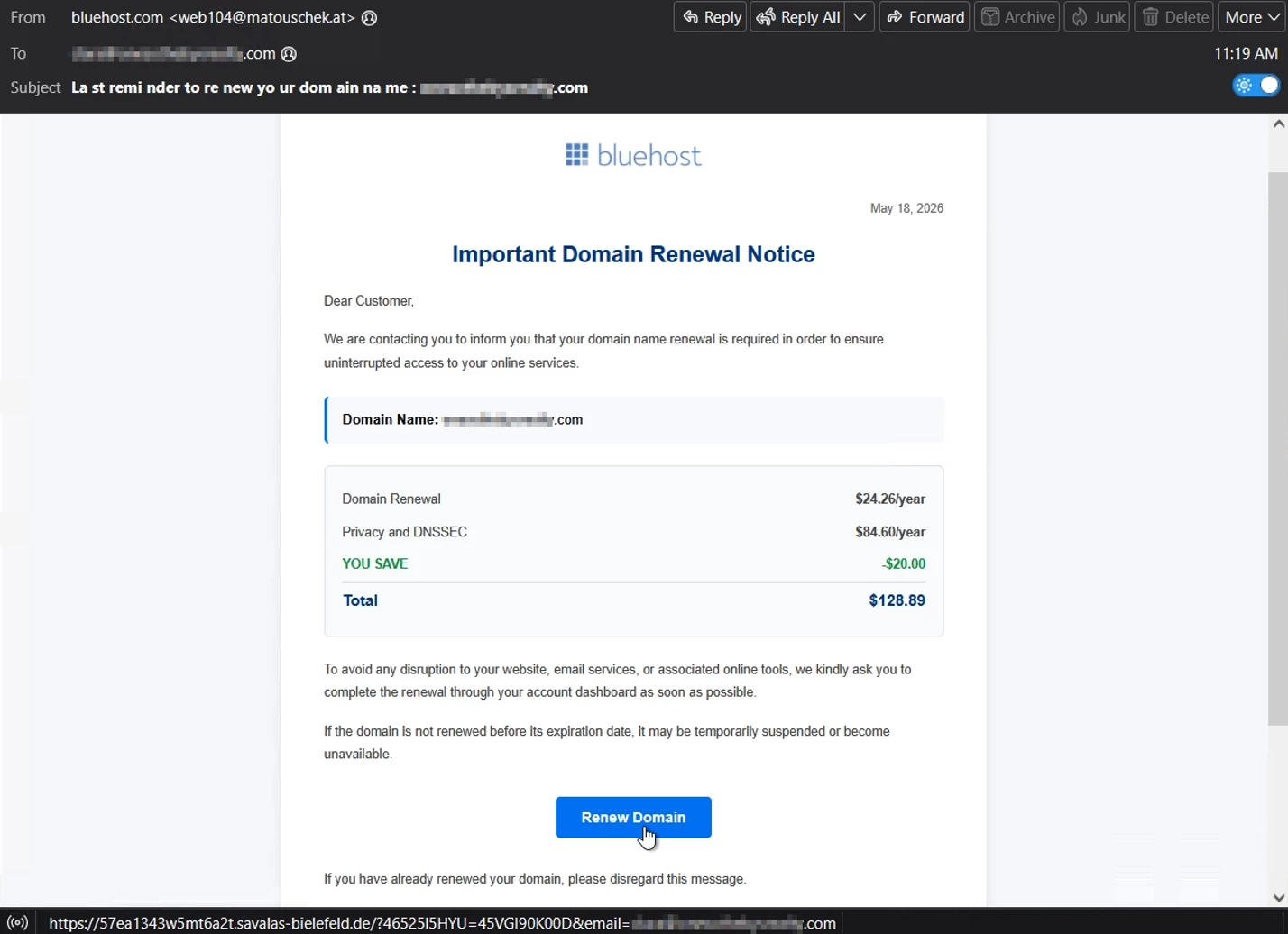
Domain renewal scams remain effective because they exploit a routine administrative responsibility that many organizations regularly manage. In this campaign, attackers impersonated Bluehost and warned recipients of an impending domain renewal issue requiring immediate action. The email originated from infrastructure associated with an Austrian ccTLD and was transmitted through a French IP address, highlighting the use of distributed infrastructure to obscure attribution.
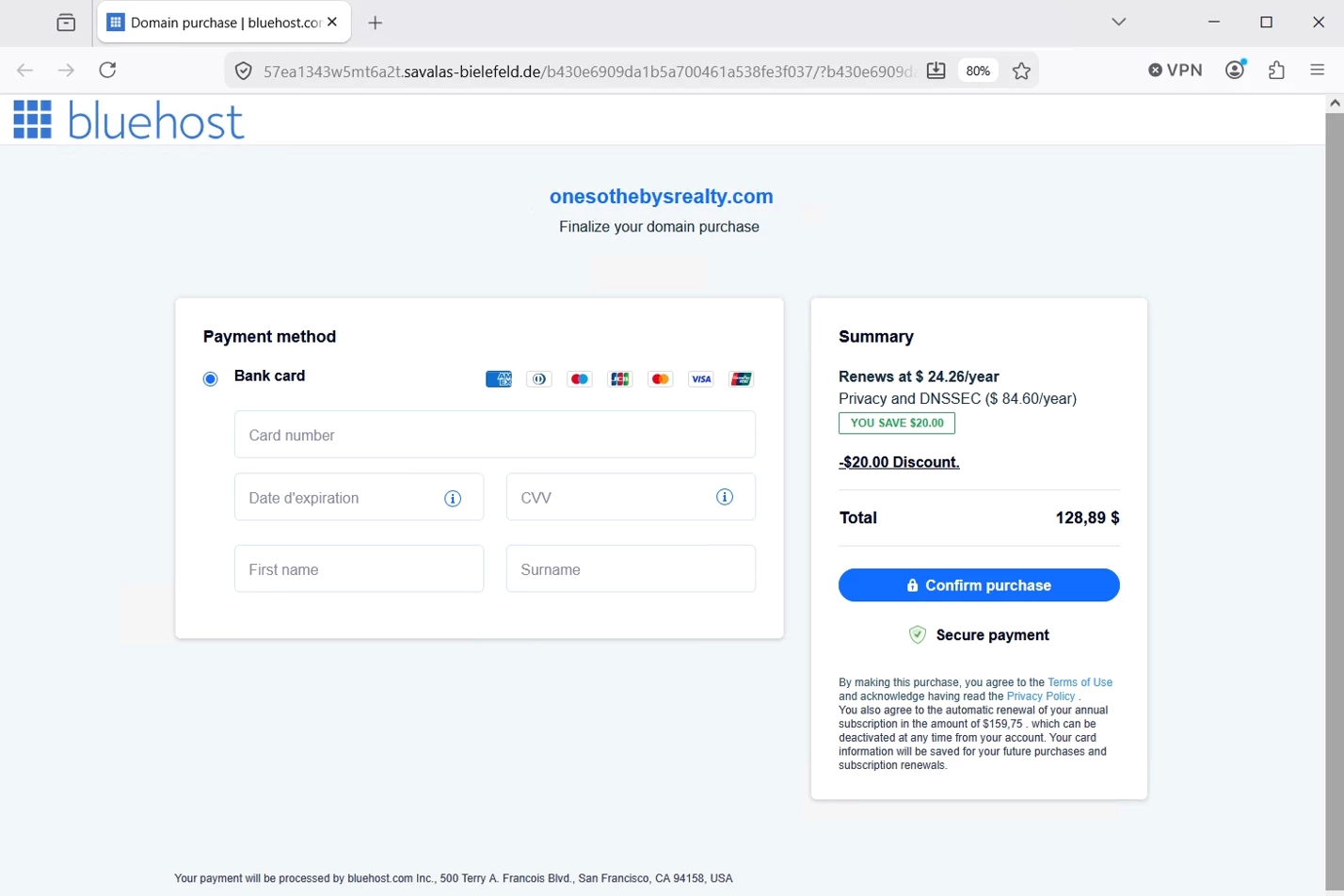
Unlike traditional phishing campaigns that focus on account credentials, this attack immediately directed victims to a payment collection page hosted on savalas-bielefeld[.]de. The site presented itself as part of a legitimate domain renewal process and prompted users to enter payment card details to prevent service disruption.
This approach reflects a growing trend among financially motivated actors. Rather than investing time in account compromise, attackers can obtain card data directly and monetize it through fraudulent purchases, card testing activity, or resale through criminal marketplaces. The lure is particularly effective because users expect to provide payment information during renewal processes, making the request appear routine rather than suspicious.
The second campaign focused on a different financial asset: online banking access.
Attackers impersonated Capital One and informed recipients that their card had been temporarily restricted due to suspected fraudulent activity. The email encouraged users to review recent account activity to restore access and closely mimicked Capital One branding, formatting, and disclaimer language.
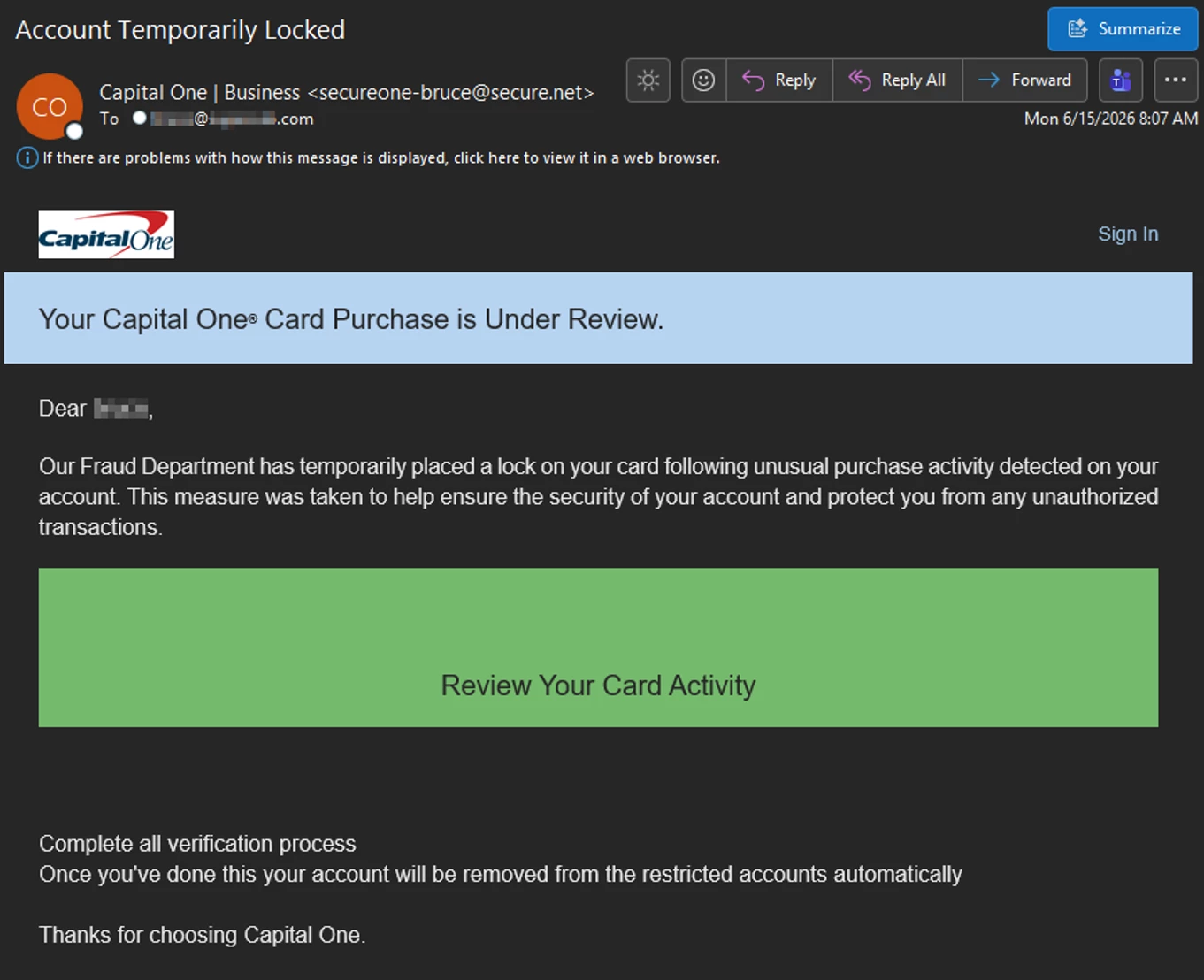
The strength of this lure lies in its familiarity. Financial institutions routinely notify customers about suspicious transactions and account restrictions, allowing attackers to leverage a scenario that recipients may have experienced before. The urgency associated with potential fraud often encourages rapid action before independent verification occurs.
Victims who clicked the embedded link were redirected to a convincing replica of the Capital One login page. The attackers invested significant effort in recreating the legitimate user experience, including branding, page layout, and authentication workflows. Submitted credentials were then transmitted to attacker-controlled infrastructure.
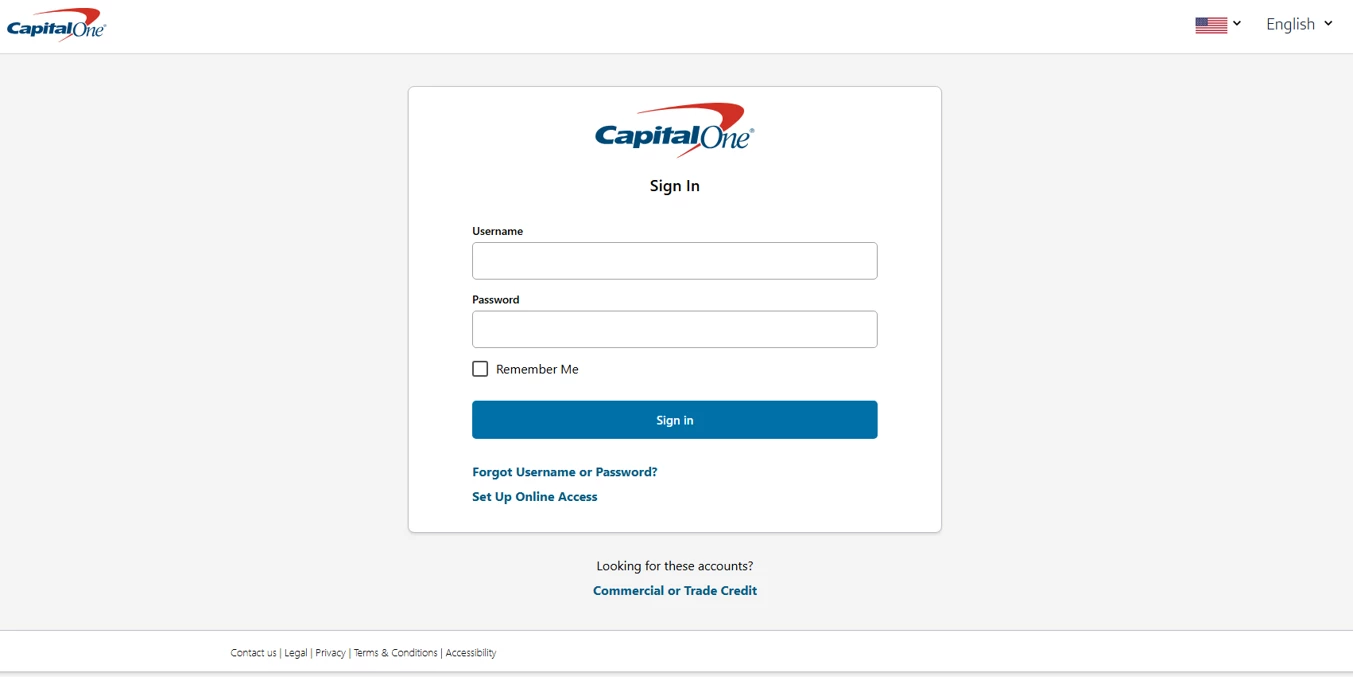
Unlike the Bluehost campaign, which sought payment card data directly, this operation targeted credentials that could provide access to broader financial resources. Successful compromise could enable account takeover, unauthorized transactions, identity theft, and additional fraud opportunities.
Although these campaigns employ different tactics, both illustrate the same underlying trend: attackers are increasingly targeting assets with immediate financial value.
The Bluehost-themed campaign sought payment card information directly, eliminating the need for account compromises altogether. By contrast, the Capital One impersonation campaign pursued access to a financial account that could serve as a gateway to more extensive fraud.
Both attacks also demonstrate how modern phishing relies less on technical sophistication and more on convincing social engineering. Rather than deploying malware or exploiting vulnerabilities, the attackers replicated legitimate business and banking processes to make their requests appear routine and trustworthy. In both cases, urgency was used to drive action—whether through the threat of service disruption or suspected financial fraud.
These examples highlight how phishing campaigns are increasingly focused on direct financial outcomes. Whether the objective is stealing payment card information or obtaining access to online banking accounts, attackers are following the fastest path to monetization. As threat actors continue refining their impersonation techniques and leveraging realistic financial workflows, organizations and consumers alike should expect phishing campaigns that increasingly blur the line between legitimate business activity and fraud.