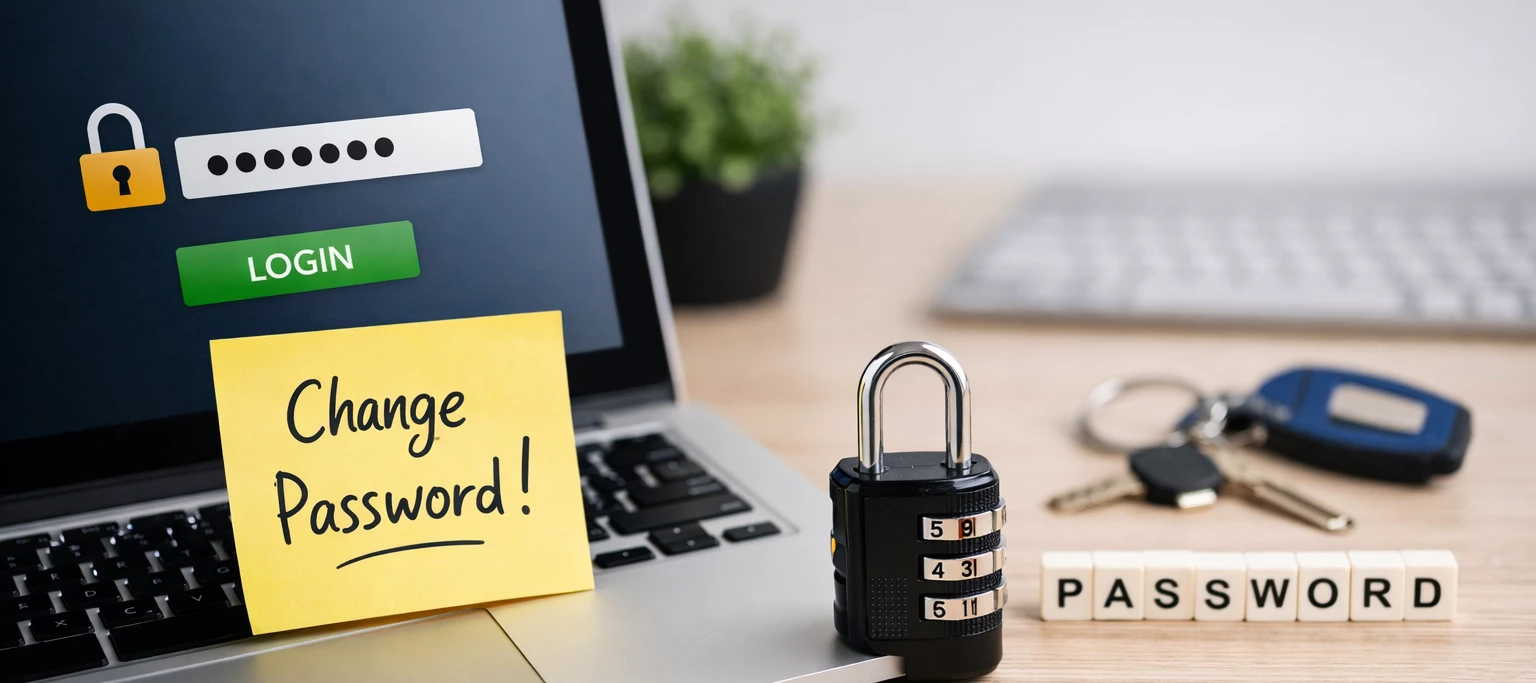



Change Your Password Day is February 1, which makes it a good moment to pause and do a quick gut check on account security.
That said, simply changing passwords on a schedule is not the silver bullet it once was.

Where we are in 2026:
• Stop reusing passwords across work and personal accounts
• Use a password manager if possible to generate long, unique passwords
• Turn on MFA everywhere it’s available
• Pay special attention to email, VPN, cloud, and identity accounts
💡 My personal recommendation: use passphrases
If you’re creating a password yourself, long passphrases are far more effective and easier to remember than short “complex” passwords.
For example:
snow white and the seven dwarves
Why this works:
-
Length matters more than special characters
-
It’s easier for humans to remember
-
Spaces count as characters if the system allows them
-
Long phrases dramatically increase resistance to brute-force attacks
(Use this as a pattern, not the exact phrase. Avoid anything famous or searchable.)
Looking ahead: passkeys and passwordless authentication
Even strong passphrases are still shared secrets, which means they can be phished, leaked, or reused.
That’s why the industry is steadily moving toward passkeys, a passwordless authentication method based on cryptographic keys tied to your device and unlocked with biometrics or a PIN. Passkeys significantly reduce phishing risk and eliminate many of the problems inherent to traditional passwords.
If you want a deeper look at how passkeys work and why they’re becoming the future of authentication, we break it down here
For MSPs and IT teams
From a security and usability standpoint, forced password rotation without MFA or identity monitoring often increases risk instead of reducing it.
Things to focus on instead:
-
Enforce MFA by default, especially for email and remote access
-
Monitor for breached or reused credentials
-
Reduce reliance on shared or static admin credentials
-
Educate users on passphrases instead of arbitrary complexity rules
If passwords are still part of your security model, they should be backed by strong identity controls today and treated as a stepping stone toward passwordless authentication, not the end state.
Change Your Password Day is a good excuse to clean up the basics and start modernizing where it makes sense.