

Should the WWW be locked down with DRM? Tim Berners-Lee needs to decide, and soon.
J.M. Porup - 13/2/2017The W3C, led by Sir Tim Berners-Lee, looks set to standardise DRM-enabling Encrypted Media Extensions (EME) in browsers, a move that betrays the founding principles of the open Web.
When Berners-Lee invented the Web, he gave it away. His employer at the time, CERN, licensed the patents royalty-free for anyone to use. An open architecture that supported the free flow of information for all made it what it is today.
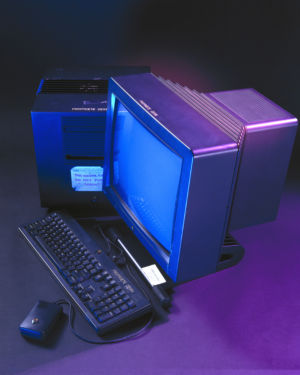
The stakes could not be higher, to hear both sides tell it. On the one hand, Hollywood is terrified of online piracy, and studios insist that video streaming providers like Netflix use DRM to stop users from pirating movies. On the other hand, a long list of security experts argue that DRM breaks the Web's open architecture, and damages browser security, with cascading negative effects across the Internet.
Full Article